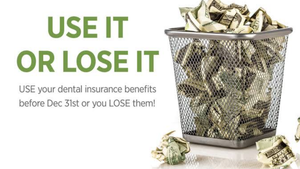
Maybe you opened your insurance app and noticed a balance you forgot about. Or a coworker mentioned their benefits were about to run out, and you started to wonder about yours. Either way, if you have unused dental benefits, you’re asking the right question at the right time.
Most dental plans reset at the end of the plan year, and leftover coverage usually doesn’t carry over. That doesn’t mean you should rush to book anything you can. The smarter approach is to figure out what you actually need, then use your remaining benefits where they’ll do the most good. This guide will help Mansfield families and working adults do exactly that.
Start With a Quick Self-Check
Answer these five questions. They’ll give you a clear picture in just a few minutes.
- Do I know when my plan year ends? Many plans reset on January 1, but some follow a different schedule.
- Do I know how much of my annual maximum is left? This is the most your plan will pay in one plan year.
- Have I had all the cleanings and exams my plan covers? Many plans include two a year.
- Did my dentist recommend any treatment I haven’t scheduled? Think fillings, crowns, or a follow-up visit.
- Do I have money in an FSA that expires soon? Flexible spending accounts often have year-end deadlines.
If you answered “no” or “not sure” to any of these, that’s where to focus first. Your insurer’s website or member services line can fill in the blanks, and many dental offices can help you check your benefits too.
How to Decide What to Use Your Benefits On
Not every service is equally urgent. Here’s a simple way to prioritize.
Priority: care your dentist has already recommended
If your dentist found a cavity, a cracked filling, or another issue at a past visit, that’s usually the best use of your remaining benefits. Problems like these tend to get more involved, and often more costly, when they’re left alone. Finishing treatment before the reset may also save you money if you’ve already met this year’s deductible.
Second priority: preventive visits you haven’t used
Cleanings and exams are the foundation of good oral health, and many plans cover them at a high rate. If you’ve missed one this year, schedule it. Just check how your plan counts visits. Some allow two per calendar year, while others require a set time, such as six months, between them.
Third priority: care that can be planned across two years
If you need more extensive work, such as several crowns or a bridge, ask your dentist whether it can be safely done in stages. Starting now and finishing after the reset may let you use two years of benefits. Your dentist will decide the order based on what’s best for your teeth.
What can wait
Treatments that are mostly cosmetic, like teeth whitening, often aren’t covered by insurance. Unless your dentist has a health reason to recommend something, there’s no need to fit it in just because you have benefits left.
If Your Coverage Is Changing in the New Year
Sometimes the bigger deadline isn’t the plan reset. It’s a change in your coverage.
- Changing jobs. Dental benefits through an employer often end when your job ends, sometimes on your last day or at the end of that month. Check with HR so you can schedule care while you’re still covered.
- Retiring. Many employer dental plans stop at retirement, and traditional Medicare generally doesn’t cover routine dental care. If you’re retiring soon, it may be worth fitting in a checkup and any recommended treatment first.
- Switching plans at open enrollment. A new plan may have different coverage, waiting periods, or a different list of in-network dentists. Using your current benefits before the switch can help you avoid gaps.
- A child aging off a plan. Kids can usually stay on a parent’s plan until a certain age, often 26, but rules vary. If that birthday is coming up, schedule their visit while they’re still covered.
How to Talk With Your Dental Office About Unused Benefits
You don’t need to sort this out on your own. When you call, it helps to have your insurance card ready and to ask a few clear questions:
- “Can you see how much of my benefits I have left this year?”
- “Is there any treatment on my chart that I haven’t completed?”
- “Can you send a pre-treatment estimate to my insurance?”
- “If I need a lot of work, can it be split across two years?”
- “What appointment times do you have before my plan resets?”
These questions keep the focus on your health, not just your balance, and help you make a plan that fits your budget.
Frequently Asked Questions
How do I know if I have unused dental benefits?
Log in to your insurance company’s website or app, or call the member services number on your card. You’ll see your annual maximum, how much has been paid this year, and what’s left.
Can I use leftover dental benefits for teeth whitening?
Usually not. Most dental plans don’t cover cosmetic whitening. FSA funds generally can’t be used for it either, since it’s considered cosmetic. Check your plan to be sure.
What happens to my dental benefits if I change jobs?
Employer dental coverage often ends when you leave the job. The exact date varies, so ask HR. You may have the option to continue coverage for a time through COBRA, usually at a higher cost.
Is a night guard covered by dental insurance?
Some plans cover night guards for teeth grinding, often at a partial rate, and some don’t. A pre-treatment estimate can tell you what your plan will pay.
Is it too late to use my dental benefits in December?
Not always, but openings can be limited near the holidays. The sooner you call, the more options you’ll have.
Make Your Benefits Work for Your Health
Having unused dental benefits is really an opportunity. Run through the self-check, put recommended treatment and missed cleanings first, plan bigger care across two years when it makes sense, and keep an eye on any coverage changes coming in January.
If you’d like help figuring out your next step, the team at 360 Dental Lounge in Mansfield is happy to review your options with you. Call our office to ask about your benefits, and we’ll help you book a visit that makes the most of the coverage you already have.