
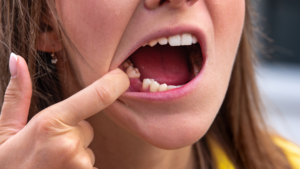
Tooth extraction is one of the most common dental procedures performed every day, but what happens after you leave the dental chair matters just as much as the extraction itself. Whether you’ve had a simple removal or a more involved surgical extraction, your recovery depends heavily on how well you follow post-operative care at home.
At 360 Dental Lounge in Mansfield, TX, we believe an informed patient is a healthier patient. This guide walks you through everything you need to know about caring for your mouth after a tooth extraction from the first hour back home to your follow-up appointment so you can heal quickly, comfortably, and without complications.
Most people recover well within a week to ten days. The key is knowing what to do (and what not to do) during that critical healing window.
What Happens to Your Mouth Right After a Tooth Extraction
Once your tooth is removed, your body immediately begins the natural healing process. A blood clot forms in the empty socket, acting as a protective barrier over the exposed bone and nerve tissue. This clot is the foundation of your recovery it keeps the area safe while new tissue gradually grows underneath it.
In the hours following your procedure, you can expect:
- Minor bleeding or oozing is completely normal for the first 24–48 hours
- Swelling peaks on days 2 and 3 typically occur before gradually going down
- Mild to moderate pain or tenderness, especially in the first two to four days
- Jaw stiffness, some tightness in the jaw, is common and will ease over time
If you received IV sedation or general anesthesia during your procedure, make sure a trusted friend or family member drives you home and stays with you for the first few hours. Your reaction time and judgment will be temporarily affected.
Step-by-Step Post-Extraction Care Instructions
The First 24 Hours: The Most Critical Period
The actions you take in the first day after your extraction have the biggest impact on how well you heal. Here’s what to prioritize:
Keep the gauze in place. Your dentist will have you bite down on gauze before you leave the office. Keep gentle pressure on it for 30–45 minutes. If bleeding continues, fold a fresh piece of gauze and apply it for another 30 minutes. Repeat as needed. Light oozing for the first day or two is normal; heavy, uncontrolled bleeding is not, and warrants a call to your dentist.
Do not rinse, spit forcefully, or use a straw. Any sucking motion creates negative pressure in the mouth and can dislodge the blood clot. This is one of the leading causes of a painful complication called dry socket.
Apply ice to reduce swelling. Use an ice pack or a bag of frozen peas wrapped in a cloth on the outside of your cheek. Apply for 20 minutes on, then 10 minutes off, during the first 24 hours.
Rest. Avoid physical exertion, bending over, or heavy lifting for at least the first day. These activities can increase blood pressure and cause increased bleeding.
Do not smoke or use tobacco. Smoking even a single cigarette dramatically increases your risk of dry socket and infection. Avoid it for at least 72 hours, ideally longer.
Days 2–7: Active Healing Phase
Once you’ve made it through the first 24 hours, your recovery shifts into a more active healing phase. Here’s how to manage it well:
Switch from ice to heat. After the first 24 hours, stop using ice and transition to gentle warm compresses, a warm, damp cloth held to the outside of the jaw to soothe residual pain and swelling.
Rinse gently with warm saltwater. Starting on day two, rinse your mouth gently with a solution of ½ teaspoon of salt dissolved in 8 ounces of warm water after meals. Use a slow tilting motion; do not swish or gargle forcefully. This helps keep the socket clean without disturbing the clot.
Resume gentle brushing in other areas. You can brush your teeth starting on day two, but be very careful to avoid the extraction site. Do not probe, poke, or brush directly around the socket for at least two weeks.
Take medications as directed. Whether you’ve been prescribed pain medication or are using over-the-counter options like ibuprofen (Advil) or acetaminophen (Tylenol), follow the recommended dosage schedule. Taking anti-inflammatories on a schedule rather than waiting until pain spikes tends to be more effective at managing discomfort.
Watch for warning signs. While complications are uncommon, it’s important to know when something may be wrong. Contact your dentist if you notice:
- Pain that worsens after day 3 rather than improving
- Fever above 101°F
- Swelling that increases significantly after the first few days
- Persistent bad taste or odor from the socket
- Visible bone in the socket (a hallmark sign of dry socket)
Understanding Dry Socket: What It Is and How to Avoid It
Dry socket, clinically known as alveolar osteitis, is the most common complication following tooth extraction, occurring in roughly 2–5% of cases (and higher for wisdom tooth removals). It happens when the blood clot is dislodged, dissolved, or never properly forms, leaving the underlying bone and nerve endings exposed to air, food, and bacteria.
The hallmark symptom is intense, throbbing pain that typically begins 2–4 days after the extraction and may radiate toward the ear or jaw. Unlike normal post-extraction soreness that gradually improves, dry socket pain gets worse over time.
To minimize your risk of dry socket:
- Avoid smoking and all tobacco products for at least 3 days post-extraction (longer is better)
- Do not use straws for at least a week
- Avoid carbonated beverages, which can dislodge the clot
- Skip vigorous rinsing or spitting in the first 24 hours
- Follow all dietary restrictions during early recovery
- Inform your dentist if you take oral contraceptives, as hormonal fluctuations can affect clot formation
If dry socket does occur, don’t try to manage it at home; call your dentist right away. Treatment involves cleaning the socket and placing a medicated dressing to relieve pain and support healing. Relief is typically felt within hours of treatment.
What to Eat After a Tooth Extraction
Your diet plays a significant role in how comfortably you recover. The wrong foods can irritate the extraction site, disrupt the clot, or introduce bacteria into the wound.
What to eat in the first 2–3 days:
Choose foods that are soft, cool or room temperature, and easy to swallow without chewing near the extraction site:
- Yogurt, smoothie bowls (no straw), and applesauce
- Scrambled eggs, mashed potatoes, and soft-cooked oatmeal
- Cottage cheese, pudding, and Jell-O
- Lukewarm (not hot) broth or cream-based soups
- Soft avocado or mashed banana
What to avoid during the first week:
- Hard or crunchy foods: chips, crackers, nuts, popcorn
- Chewy or sticky foods, gummy candies, tough meats
- Spicy foods can irritate sensitive tissue
- Very hot foods and beverages can dissolve the clot
- Alcoholic beverages can interfere with healing and interact with medications
By days 4–5, most patients can gradually introduce softer, normal foods as long as chewing is comfortable and not near the extraction site. Use your body as a guide if eating something causes pain or discomfort; wait a bit longer.
Oral Hygiene During Recovery: What’s Safe and What to Skip
Keeping your mouth clean after an extraction is essential, but you need to do it carefully.
| Timeframe | What’s Safe | What to Avoid |
| First 24 hours | Biting on gauze, resting | Rinsing, brushing near the socket, spitting |
| Days 2–7 | Gentle saltwater rinse, brushing other teeth | Hard brushing, commercial mouthwash (alcohol-based) |
| Week 2+ | Gradual return to normal routine | Brushing directly on the socket until healed |
Alcohol-based mouthwashes should be avoided during early recovery they can irritate the tissue and interfere with healing. If you want to use a rinse, your dentist can recommend a gentle, alcohol-free option.
Pain Management After Tooth Extraction
Discomfort after an extraction is expected, but it should be manageable. Here’s how to stay on top of it:
Over-the-counter options like ibuprofen (Advil, Motrin) and acetaminophen (Tylenol) are effective for most patients. Ibuprofen has the added benefit of reducing inflammation, making it particularly useful in the first few days. Some dentists recommend alternating between the two for better coverage.
Prescription pain medication may be provided for more complex extractions or patients with lower pain tolerance. Always take these exactly as prescribed and do not mix with alcohol.
Antibiotics, if prescribed, should be taken for the full course even if you feel fine. They’re used as a preventive measure against infection, not because an infection is already present.
Practical tips to ease discomfort:
- Sleep with your head slightly elevated for the first night or two to reduce throbbing
- Avoid lying flat, as it can increase blood pressure in the head
- Stay hydrated (without straws) and eat regularly to support healing
When to Call Your Dentist
Most tooth extractions heal without any major issues. However, you should contact 360 Dental Lounge right away if you experience any of the following:
- Severe or worsening pain after the third day
- Fever, chills, or signs of infection
- Swelling that continues to increase after day 3
- Numbness that doesn’t resolve after the anesthesia wears off
- Uncontrolled bleeding that doesn’t respond to gauze pressure
- Foul smell or taste coming from the socket
These symptoms are uncommon but require prompt attention. When in doubt, always call your dental team, who would much rather address a concern early than have you wait it out.
Your Follow-Up Appointment
Plan to return to 360 Dental Lounge approximately two weeks after your extraction for a follow-up check. Your dentist will evaluate how the socket is healing, check for any signs of infection or complications, and answer any questions that arise during your recovery.
If you were missing a tooth before the extraction or if the extracted tooth was structurally important, this is also a good time to begin discussing tooth replacement options such as dental implants, bridges, or partial dentures. Replacing missing teeth sooner rather than later helps preserve jawbone density and prevents surrounding teeth from shifting.
Frequently Asked Questions About Tooth Extraction Recovery
How long does it take to fully recover from a tooth extraction? Most patients experience significant improvement within 3–5 days, and the socket is typically well-healed within 1–2 weeks. Full bone and gum tissue regeneration takes several months, though you likely won’t notice any discomfort during that time.
Is it normal to still have pain 5 days after an extraction? Mild residual soreness at day 5 can be normal, especially for surgical or wisdom tooth extractions. However, if pain is increasing rather than decreasing after day 3, contact your dentist, as it may be a sign of dry socket or early infection.
Can I drink coffee after a tooth extraction? Avoid hot beverages, including hot coffee, for at least 24–48 hours. Heat can dissolve the blood clot. Once the clot is stable (usually after 48 hours), warm or room-temperature coffee is generally fine for most patients, but check with your dentist if unsure.
When can I exercise after getting a tooth pulled? Avoid strenuous physical activity for at least 24–48 hours. Elevated heart rate and blood pressure during exercise can increase bleeding and disrupt clot formation. Light walking is usually fine after the first day.
What does a dry socket look or feel like? A dry socket often presents as a visible empty hole where the blood clot should be, sometimes with exposed bone. The pain is intense, throbbing, and may extend to the jaw or ear. It typically begins 2–4 days after the extraction. If you suspect dry socket, call your dentist immediately.
Final Thoughts: Recovery Is a Team Effort
Getting through a tooth extraction smoothly comes down to one thing: following your care instructions consistently. The procedure itself may have taken only minutes, but the healing that happens over the next week or two is entirely in your hands.
At 360 Dental Lounge in Mansfield, TX, we’re committed to supporting you through every stage of your dental care, not just the time you spend in our chair. If you have questions about your recovery, concerns about how your socket is healing, or you’re ready to discuss your next steps (like a dental implant or bridge), we’re here to help. Your comfort and long-term oral health are our priority.