
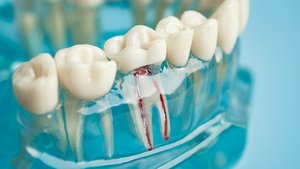
A modern root canal is not the painful ordeal its reputation suggests – it’s a routine procedure that relieves pain rather than causing it. Because the area is fully numbed, most patients say it feels similar to getting a filling. During the procedure, the dentist removes infected or inflamed tissue from inside the tooth, cleans and disinfects the canal, and seals it, usually finishing with a crown. The pain people associate with root canals actually comes from the infected tooth beforehand – the treatment is what makes it stop.
Few dental procedures have a worse reputation than the root canal – and few reputations are less deserved. Modern root canals are routine, comfortable, and tooth-saving. Let’s clear up the myths and walk through what actually happens.
Why root canals have a scary reputation
The dread around root canals is largely outdated. The pain people remember is really the pain of the infected, abscessed tooth that led to needing one – not the procedure itself. With today’s anesthesia and techniques, the treatment relieves that pain. In fact, the phrase “it feels like a root canal” gets it backwards: the root canal is the fix, not the problem.
When do you need a root canal?
A root canal is needed when the soft tissue (pulp) inside a tooth becomes infected or inflamed – often from deep decay, a crack, or trauma. Signs include:
- Persistent or severe toothache, especially when chewing
- Lingering sensitivity to hot or cold
- Swelling or tenderness in the nearby gum
- A darkening of the tooth
- A pimple-like bump on the gum
Don’t ignore these signs. An untreated infected tooth won’t heal on its own and can lead to an abscess and worse. A root canal saves the natural tooth – the alternative is often losing it entirely.
What actually happens during a root canal
- Numbing: the tooth and surrounding area are fully numbed with local anesthetic, so you don’t feel pain during treatment.
- Access: the dentist makes a small opening in the top of the tooth to reach the inside.
- Cleaning: the infected or inflamed pulp is removed, and the inner canals are cleaned and disinfected.
- Filling: the cleaned canals are filled and sealed with a biocompatible material to prevent reinfection.
- Restoration: the tooth is sealed, and usually a crown is placed to restore full strength and protect it long term.
Many root canals are completed in one or two visits, depending on the tooth and the infection.
Does it hurt?
During the procedure, no – the anesthetic keeps you comfortable, and most patients compare it to having a filling done. Afterward, some mild soreness or sensitivity for a few days is normal and easily managed with over-the-counter pain relievers. That’s a world away from the throbbing pain of the infection you came in with.
Recovery and aftercare
- Take pain medication as directed if you have any soreness.
- Avoid chewing on the treated tooth until it’s fully restored with a crown.
- Keep up gentle brushing and flossing.
- Attend your follow-up to have the permanent crown placed if not done already.
Comfortable care for anxious patients
If dental anxiety is part of why root canals worry you, know that sedation options are available to keep you completely relaxed. There’s no reason to live with tooth pain out of fear – modern root canal treatment is gentle, effective, and saves your tooth.
Frequently asked questions
Do root canals hurt?
Not during the procedure. The tooth is fully numbed, and most patients say it feels similar to getting a filling. Mild soreness for a few days afterward is normal and easily managed. The severe pain people associate with root canals actually comes from the infected tooth beforehand.
What happens during a root canal?
The dentist numbs the area, makes a small opening in the tooth, removes the infected or inflamed pulp, cleans and disinfects the inner canals, fills and seals them, and usually places a crown to restore the tooth’s strength. It often takes one or two visits.
Why do I need a root canal?
A root canal is needed when the pulp inside a tooth becomes infected or inflamed, often from deep decay, a crack, or trauma. Signs include persistent toothache, lingering sensitivity, gum swelling, or a bump on the gum. It saves the natural tooth from being lost.
How long does it take to recover from a root canal?
Most people feel back to normal within a few days. Some mild soreness or sensitivity is normal and managed with over-the-counter pain relievers. You should avoid chewing on the treated tooth until it’s fully restored with a crown.
Is a root canal better than pulling the tooth?
In most cases, saving the natural tooth with a root canal is preferable to extraction, since nothing functions quite like your own tooth. Your dentist can explain your options if the tooth is too damaged to save.
Related pages
Relieve tooth pain in Mansfield
If you have a toothache, don’t wait it out. 360 Dental Lounge provides gentle, modern root canal treatment – with sedation options for anxious patients – to stop the pain and save your tooth. Call us to be seen.
Request an appointment or call (682) 888-0488.
This article is for general educational purposes and is not a substitute for professional dental advice, diagnosis, or treatment. Costs, timelines, and candidacy vary by individual – please confirm specifics during a consultation.