Whether you accidentally tripped and chipped your tooth on the concrete or developed a severe
toothache that won't seem to go away, you can trust that our team will be there for you. We offer
same-day emergency dental appointments for patients throughout Mansfield, Grand Prairie & Cedar
Hill, using the latest dental technology to make precise diagnoses and streamline your visit. Call us today if you need urgent dental attention and our emergency
dentists will do our best to get you out of pain as soon as possible.
Why Choose 360 Dental Lounge for Emergency Dentistry?
Same-Day Emergency Appointments
Sedation Dentistry Available
An Experienced & Professional Dental Team
The Most Common Dental Emergencies
If you're unsure of whether or not the problem you're dealing with is considered an
"emergency," we've
compiled a list of some of the most common urgent situations we deal with below.
However, we recommend that
our patients call us if they're experiencing any dental pain or out-of-the-ordinary
symptoms.
Sensitive teeth
Is it a Dental Emergency?Occasional
twinges from hot or cold
usually aren't urgent. Sharp pain lasting over 30 seconds, or sensitivity in
one tooth, means it's time
to call.
How to handle Dental Emergency?Avoid very
hot, cold, or acidic foods,
brush gently with sensitive toothpaste, and skip whitening products until we
can see you.
How we treat Dental Emergency?Fluoride
treatment, a filling, a crown, or
root canal therapy, depending on the cause.
Knocked-out tooth
Is it a Dental Emergency?Yes, one of
the most time-sensitive
emergencies. Call immediately, ideally within 30 to 60 minutes.
How to handle Dental Emergency?Hold the
tooth by the crown, rinse
gently, reinsert if possible, or store in milk and come in right away.
How we treat Dental Emergency?Reinsertion
and splinting, often followed
by a root canal, or an implant or bridge if the tooth can't be saved.
Lost filling or crown
Is it a Dental Emergency?Treat it as
urgent. The exposed tooth
is vulnerable to damage and infection until it's covered again.
How to handle Dental Emergency?Keep the
crown if you have it, avoid
chewing on that side, and protect the tooth with sugarless gum or dental
cement.
How we treat Dental Emergency?Re-cementing
the existing crown, or a new
tooth-colored filling or custom crown.
Broken denture
Is it a Dental Emergency?Not
medically urgent, but needs prompt
attention since it affects eating and speaking.
How to handle Dental Emergency?Stop wearing
it, never glue it yourself,
and bring all pieces to your appointment.
How we treat Dental Emergency?A professional
repair, reline, or
replacement, with a temporary option if needed.
Loose tooth
Is it a Dental Emergency?Yes, a
loose permanent tooth is never
normal and should be treated as urgent.
How to handle Dental Emergency?Avoid
wiggling or chewing with it, apply
a cold compress if injured, and call right away.
How we treat Dental Emergency?Splinting,
periodontal therapy, or a
nightguard, depending on the cause.
Gum, lip, or tongue injury
Is it a Dental Emergency?Treat as
urgent if bleeding won't stop
after 15 minutes, the cut is deep, or it followed a hard blow.
How to handle Dental Emergency?Rinse gently,
apply firm pressure with
gauze, and use a cold compress for swelling.
How we treat Dental Emergency?Cleaning and
monitoring, or sutures for
deeper cuts, plus a check for related damage.
Jaw pain
Is it a Dental Emergency?Urgent if
pain is sudden and severe,
follows an injury, or limits opening, swallowing, or breathing.
How to handle Dental Emergency?Cold
compress, soft foods, and avoid
forcing the jaw open or closed.
How we treat Dental Emergency?A nightguard,
bite adjustment,
antibiotics, or referral for suspected fractures.
Something stuck between teeth
Is it a Dental Emergency?Usually
not, but can lead to irritation
or decay if left in place too long.
How to handle Dental Emergency?Floss gently,
rinse with warm water, and
never use a sharp tool to dig it out.
How we treat Dental Emergency?Safe removal
with dental tools, then a
check for irritation or damage.
Call Our Office: The first step you should always take if you find yourself
in the middle
of a dental emergency is to call our dental office. Our team will provide you with first-aid
guidance to
minimize any additional harm to your smile and ease your discomfort as best as possible
until you arrive at
our office. We’ll also schedule your visit as soon as possible.
Get Examined: When you arrive at our office, we’ll work quickly to diagnose
the
problem at hand by completing a thorough visual and physical oral examination. We’ll also
capture
X-rays and any other diagnostic testing, if necessary.
Plan Your Treatment: Once we’ve diagnosed the problem, we’ll create a
treatment
plan to restore your oral health and repair any damage that has occurred to your smile. We
invite you to ask
any questions you may have so we can help you feel comfortable and confident moving forward
with our
recommendations.
Repair Your Smile: Once you’ve consented to our treatment plan, we’ll work
quickly and effectively to repair your smile.
Keys to Preventing Dental Emergencies
While we at 360 Dental Lounge love seeing our patients regularly, it’s always better to prevent
dental
emergencies rather than treat them. Keeping up with a few good habits can keep your teeth
healthy, clean, and
safe so you can enjoy a much lower risk of experiencing an oral health crisis. Here are a few
excellent ways to
keep your teeth in great shape and pain-free, but please contact our
staff if you
have any questions.
Maintain Good Oral Hygiene at Home
Your primary defense against tooth decay and gum disease is the oral hygiene routine you
practice every day
at home. It’s best to stick to a daily regimen that includes brushing twice, flossing once,
and using
antibacterial mouthwash to clear away plaque and food debris and kill harmful oral bacteria.
This will also
have the added benefits of keeping your teeth pretty and your breath fresh.
Visit Your Dentist Regularly
The American Dental Association urges everyone to see their dentist at least twice a year for
routine exams
and cleanings. Scheduling these regular appointments at our office allows our dentists to
monitor your oral
health, correct any issues in their early stages, and recommend better oral hygiene
practices so you can
improve your at-home oral care.
Stick to a Nutritious Diet
Your diet plays a key role in your oral health. Consuming too many foods and beverages that
are high in sugar
or acid leads to enamel erosion, leaving your teeth more vulnerable to injury and infection.
On the other
hand, enjoying items that are high in protein, phosphorus, calcium, and vitamin D can give
your teeth and
gums the nutrition they need to stay healthy.
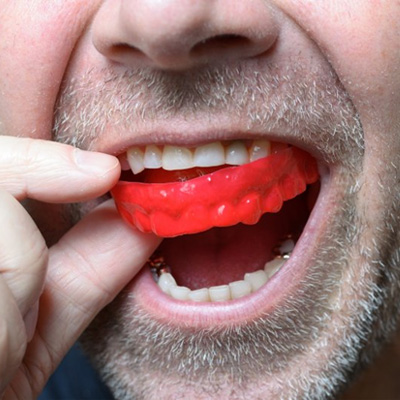
Wear a Mouthguard
If you enjoy playing sports or riding a bike, it’s best to wear an athletic mouthguard during
these
activities to protect your teeth from injuries resulting from falls or blows to the face.
It’s also
important to wear a nightguard to bed if you grind your teeth in your sleep to protect your
smile from
damage. We offer customized nightguards that provide superior protection at our office.
Use Tools to Open Packages, Not Your Teeth
Using your teeth to open packages or bottles is a great way to chip, crack, or fracture them
and cause
painful dental emergencies. Rather than using your irreplaceable smile to open stubborn
parcels, invest in
an appropriate tool such as a boxcutter, letter opener, or bottle opener, as they are
certainly much less
expensive than emergency dental treatments.
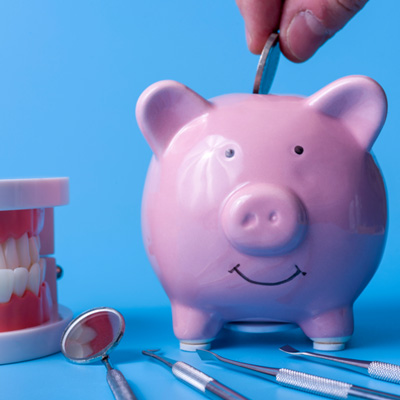
Understanding the Cost of Emergency Dentistry
While urgent oral care may sound expensive, its price tends to vary a lot. The overall cost
depends on many
factors – your problem, how the dentist fixes it, etc. So, you’ll need to consult our dentists
for a
precise estimate; they’ll narrow down your final expense. Our team will then work to make your
care
affordable, guiding you through price factors, dental insurance, and more. For other details on
the cost of
emergency dentistry, keep reading or call us soon.
Every Dental Emergency is Different
Emergency dental visits don’t cost much in themselves; they only include oral exams,
diagnoses, and
lists of treatment options. Rather, most of the overall expense comes from your later
treatment. That means
you’ll want to see us in person for an estimate.
Depending on the issue, we’ll suggest one (or more) of our emergency services. These could
include:
Root Canal Therapy
Tooth Extraction
Wisdom Tooth Extraction
Dental Crowns
We’ll explain our findings, the recommended treatment plan, and the estimated costs after our
diagnosis. That way, you’ll know what to expect before you commit to anything.
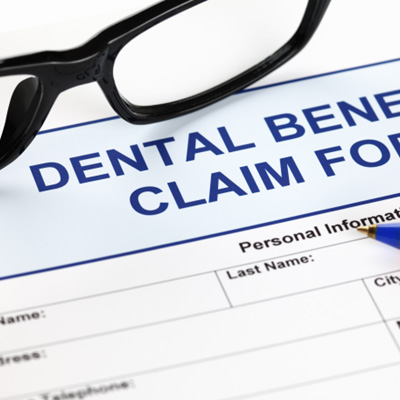
Does Dental Insurance Cover Dental Emergencies?
Thankfully, dental insurance normally does cover dental emergencies. Most plans offer full
coverage for a
yearly urgent oral exam, and at least some benefits tend to apply to common services. You
can typically
expect an insurance provider to help a bit with payment.
That said, remember that every dental plan differs. There’s a chance your own has unique
rules; yearly
maximums can also come into effect. Given these facts, please confirm your benefits before
you commit to
treatment. Our team will even help you do so if you need assistance.
Other Options for Making Dental Emergencies Affordable
Whether you have insurance or not, your dental emergency can be affordable. All you need to
do is rely on our
practice’s varied payment options! At 360 Dental Lounge, we happen to offer:
In-House Membership Plan – By paying an annual fee, you can join one of
our
office’s in-house membership plans. That would give you unlimited emergency exams and
15% off
major procedures.
Special Offers – Our practice is currently running a special on
emergency exams.
If you’re a patient without insurance, this diagnostic work will only cost $44.
CareCredit Financing – We happen to work with CareCredit, a reputable
3rd party financier. They’d let you pay for your dental emergency in small
monthly
installments.
Taking Care of Your Smile Saves You Money
While some dental emergencies are accidental, a great many stem from bad oral care. It’s to
the point
that you’d save a lot of money by investing in dental checkups over time.
You see, delaying care for a dental emergency is very costly. It just causes your problem to
get worse and
the final treatment to become more expensive. For example, a delay could make what should’ve
been a
simple root canal into a much pricier tooth extraction. That latter outcome would also force
you to spend
time and money on follow-up work.
360 Dental Lounge doesn’t want your emergency to “break the bank.” That being the case,
please see us soon to finance treatment!
Dental Emergency FAQs
Will a Toothache Go Away on Its Own?
A toothache rarely goes away on its own, especially if it's caused by an underlying dental
issue like
cavities, infections, or gum disease. Temporary relief might occur if the pain is caused by
something minor,
like food stuck between your teeth, but persistent pain often indicates a more serious
problem that needs
professional treatment.
Ignoring a toothache can lead to complications such as worsening infection, abscesses, or
damage to
surrounding teeth and tissues. Over-the-counter pain relievers or home remedies might
provide short-term
relief, but they don't address the root cause.
It's important to see us if the pain lasts more than a day or two, becomes severe, or is
accompanied by
swelling, fever, or difficulty swallowing. Early intervention can prevent more serious
issues.
How Can a Dental Abscess Be Treated?
A dental abscess requires prompt treatment to prevent the infection from spreading. Treatment
typically
involves:
Draining the Abscess: The dentist will drain the pus from the abscess to relieve pain
and pressure. This
helps clear the infection.
Antibiotics: In cases where the infection has spread, antibiotics may be prescribed to
eliminate the
bacteria. However, this doesn't address the root cause and is usually combined with
other treatments.
Root Canal Treatment: If the infection is inside the tooth, a root canal may be needed.
The infected
tissue is removed, and the inside of the tooth is cleaned and sealed.
Tooth Extraction: In severe cases where the tooth can't be saved, it might need to be
extracted to
remove the source of the infection.
Should I Worry About a Chipped Tooth If It Doesn’t Hurt?
Even if a chipped tooth doesn’t hurt, it's still important to address it. A small, painless
chip might
not seem like a big issue, but it can lead to problems over time. The chip can create sharp
edges that may
irritate your tongue or gums, and it can make the tooth more vulnerable to further damage or
decay.
A chipped tooth can also affect the tooth's structure, leading to potential cracks or
fractures. In some
cases, a chip may expose the inner layers of the tooth, increasing the risk of infection or
sensitivity
later on.
It’s best to have us assess the chip to determine if it needs smoothing, bonding, or more
extensive
repair to prevent future issues.
If a Knocked-Out Tooth is Reattached, How Long Will It Take to Heal?
If a knocked-out tooth (avulsed tooth) is successfully reattached, the healing process
typically takes a few
weeks to several months. Initially, it’s crucial that the tooth is re-implanted
quickly—ideally
within 30 minutes to an hour after the injury—for the best chance of success.
Once reattached, the tooth will be stabilized using a splint to keep it in place for about
1-2 weeks. After
the splint is removed, healing of the surrounding gum and bone tissues can take 3-4 weeks.
However, it may
take several months for the tooth to fully reintegrate with the bone.
During this time, regular check-ups are necessary to monitor healing, and in some cases, a
root canal may be
required. Proper care and follow-up with us are both crucial for long-term success.
Is it a Dental Emergency?
Not every dental issue is a true emergency, but severe pain, uncontrolled bleeding, swelling,
or a knocked-out tooth needs immediate attention. When in doubt, call our office — we'll
help you determine how urgent your situation is and get you scheduled right away for prompt,
expert care.
How to handle Dental Emergency?
Stay calm and act quickly. Rinse gently with warm water, apply a cold compress for swelling,
and use gauze to control bleeding. Avoid pain medication directly on the gums, and never
attempt DIY fixes. Call us immediately so we can guide you through next steps before you
arrive.
How we treat it Dental Emergency?
Our team will examine your mouth, take X-rays if needed, and diagnose the issue quickly.
We'll create a personalized treatment plan to relieve pain and restore your smile, using the
appropriate technique — whether that's a filling, extraction, splinting, or another same-day
emergency solution.
Toothaches
Is My Toothache a Dental Emergency? There are many potential culprits behind
a toothache, ranging from minor concerns to more urgent issues. Call our office, and
we’ll schedule an appropriate appointment time based on your circumstances. Your
situation may be urgent if you:
Have severe or persistent pain that lasts more than 24 hours.
Feel a sharp twinge when biting down.
Experience sensitivity that lasts more than 30 seconds.
Notice a small bump on your gums near the affected tooth.
Present with other signs of infection like swelling, fever, aches, or fatigue.
How You Should Handle a Toothache: First, try flossing to ensure the
throbbing isn’t caused by something lodged between your teeth. If that doesn’t
help, rinse with warm salt water to naturally ease pain and inflammation. You can also hold
an ice pack to the side of your face for 15 minutes at a time for a temporary numbing
reprieve.
How We Treat Toothaches: The treatment will depend on the underlying
concern. We can provide tooth-colored fillings or periodontal therapy if you have cavities
or gum disease. However, if there’s breakage or an infection, you may need a more
complex procedure like a root canal and dental crown.
Is a Chipped Tooth a Dental Emergency? Chipping your tooth usually
isn’t urgent, but it’s wise to make an appointment as soon as possible. The
longer it goes unaddressed, the more likely it is to sustain additional injuries, which can
eventually result in decay or disease.
How You Should Handle a Chipped Tooth: Find any large pieces that broke off
and store them in a clean container to bring to your appointment. Then, rinse with warm salt
water to gently remove bacteria and debris. Don’t bite or chew anything with the
chipped tooth, and cover it with dental wax or sugarless gum if it pokes you.
How We Treat Chipped Teeth: If it’s a minor issue, we can probably
fill it in with the same composite resin that’s used for tooth-colored fillings.
Otherwise, we might suggest dental veneers or Lumineers to cover and shield your injured
tooth moving forward.
Is a Cracked Tooth a Dental Emergency? A cracked tooth doesn’t always
require immediate attention, however, there’s no way to accurately assess the full
extent of the damage on your own. It’s better to be seen sooner rather than later
because once the structure of your tooth is compromised, it’s more vulnerable to
additional breakage, disease, or decay.
How You Should Handle a Cracked Tooth: Rinse your mouth out with warm salt
water to disinfect it and address discomfort. Usually, it’s also safe to take Tylenol
or ibuprofen to reduce associated aches and inflammation. Avoid eating or biting with the
injured tooth, and if it has a sharp edge, cover it with a small amount of dental wax or
sugar-free gum.
How We Treat Cracked Teeth: The standard treatment is a dental crown made to
look like your tooth and bonded over it to restore its appearance and functionality while
protecting it from further harm. If it’s too broken to be repaired, we might recommend
an extraction and replacement.

.jpg)